By Wren Calloway Fact-checked by Hugo Lindgren Published
CONFIRMED
Arduino has launched “Powered by Arduino,” a program that lets companies flag kits and products built on original Arduino boards. Members get a packaging badge and promotion through Arduino’s own marketing channels. The program is open to brands, education suppliers and distributors, but clones and compatible boards are excluded.
What we know
Arduino announced the program on its blog under the title “Building your product on the original? Join Powered by Arduino® and let it show!” The pitch is simple. If your kit ships with a genuine Arduino board, Arduino now gives you an official way to say so on the box.
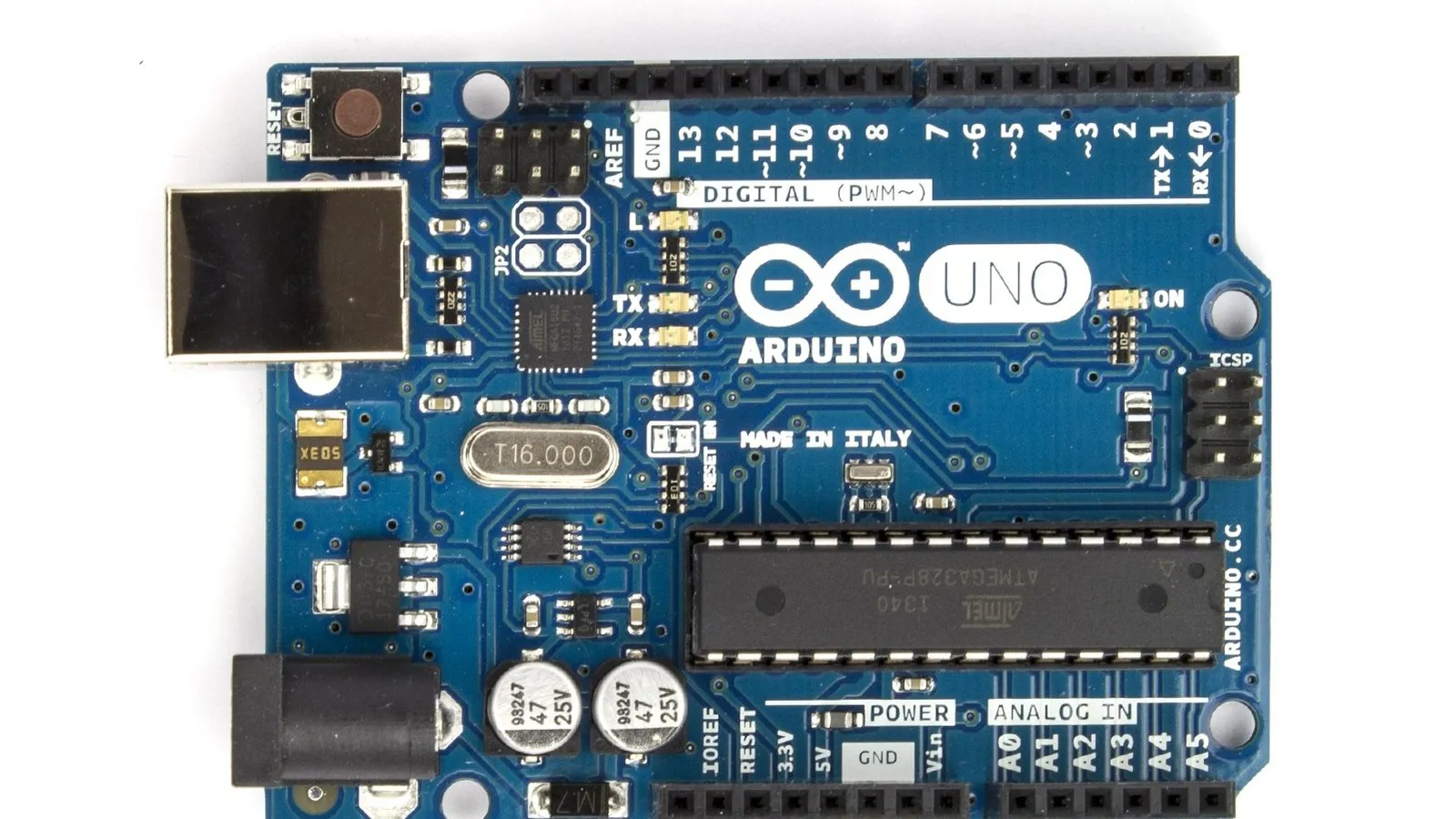
Arduino’s program page sets the eligibility rule. Any company that designs, packages and sells a kit with an original Arduino board at its core can apply. Arduino names three kinds of eligible applicants: brands, education suppliers and distributors. Kits built around clones or compatible boards don’t qualify, no matter how close the hardware is to the reference design.
The benefits come in three parts, according to the program page. Members can put a “Powered by Arduino” badge on their packaging. Arduino promotes them through its marketing channels. The program website links out to each member’s online store, so buyers browsing the member list can go straight to a shop.
The application process is light on paper. Applicants fill out a short form, and Arduino’s team reviews the kit. Approval depends on that review, not just on submitting the form.
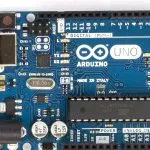
The Arduino Blog names SunFounder as an early participant, with kits built on UNO Q and UNO R4 boards. That gives the program at least one recognizable name in the hobby and education kit market from the start.
The background matters for anyone confused about where clones stand. Arduino’s hardware designs are open source, so anyone can legally build a board from them. What Arduino controls is the name and brand, which are reserved for official products. Clones and compatibles are legal, but they can’t call themselves Arduino. The new badge works on that brand side of the line, not the hardware side.
What we don’t know yet
We haven’t seen details on whether the program costs anything to join, either as an upfront fee or as a per-unit charge. Kit makers working on thin margins will want that answer before they apply.
We also don’t know the exact review criteria. “Arduino’s team reviews the kit” could mean a quick check that the board is genuine, or a deeper look at documentation, component quality and the project content. The published description doesn’t spell out which.
Other open questions:
- How many companies have joined beyond SunFounder.
- Whether Arduino will run any ongoing checks on member products after approval.
- Whether the badge has rules about kits that mix an original board with third-party add-on modules, sensors or shields.
- How long a review takes.
Hackster.io covered the launch as an Arduino effort to stem the flood of third-party compatibles. That is the outlet’s interpretation, not a statement from Arduino. We couldn’t open the Hackster article, so we can’t confirm what else it reports.
What it means
For buyers, the badge answers one practical question at a glance: is the board in this box a genuine Arduino? That matters if you care about supporting the company behind the IDE, the libraries and the reference designs you already use. It also matters to schools and makerspaces that buy in bulk and have procurement rules about original parts.
The badge only tells you what Arduino has said it means. It certifies that the kit is built on an original board and passed Arduino’s review. It isn’t a promise that the tutorials are good, the sensors are well chosen or the kit suits your project. Read the parts list and the documentation like you always would.
For kit makers using original boards, this is a free-feeling marketing win, pending any fee details. You get a recognizable mark on the box and a listing that sends traffic to your store. For education suppliers who already pay for genuine boards, it turns a cost difference into something customers can actually see on a shelf or in a product photo.
For clone and compatible makers, nothing changes legally. Arduino’s designs stay open source, and compatible boards stay legal to build and sell. They already couldn’t use the Arduino name, and they still can’t. What does change is the shelf. Original-board kits now have an official visual signal that compatible kits can’t earn, which may shift some purchasing decisions, especially in education.
Whether that adds up to “stemming the flood,” as Hackster.io framed it, is an open question. Compatibles usually win on price, and a badge doesn’t change the bill of materials. What it does is make the difference explicit, so buyers choose with clearer information.
For the community, the program fits a pattern every maker knows. The open hardware stays open, and the brand is how Arduino gets paid back for the ecosystem. A kit with the badge sends money toward the people maintaining the toolchain. A compatible kit can be a perfectly good way to learn. Both can coexist on your bench, and now the packaging will tell you which is which.
If you run a kit business built on UNO R4, UNO Q or other original boards, the application is a short form. We’ll update this piece if Arduino publishes cost or review details.
Follow every development in one place on our board release tracker.
Notes on this article
- Fact-checked by Hugo Lindgren before publication.
- Published
Fact-checking
- Every claim is checked by Hugo Lindgren; anything we cannot confirm is corrected, labelled or removed.