By Wren Calloway Fact-checked by Hugo Lindgren Published
CONFIRMED
A new Arduino library called TinyWifiDongle turns an ESP32-S3 or a Raspberry Pi Pico 2 W into a USB WiFi adapter for your computer. CNX Software reports that the board joins a WiFi network and shows up on the host PC as a USB network adapter. Hackaday and the Adafruit Blog have also covered the project.
What we know
The idea is simple. You take a board you probably already have in a parts drawer, load an Arduino sketch built on TinyWifiDongle, and plug it into a computer. The board handles the WiFi side. The computer just sees another network interface.
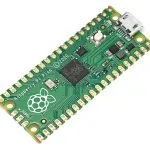
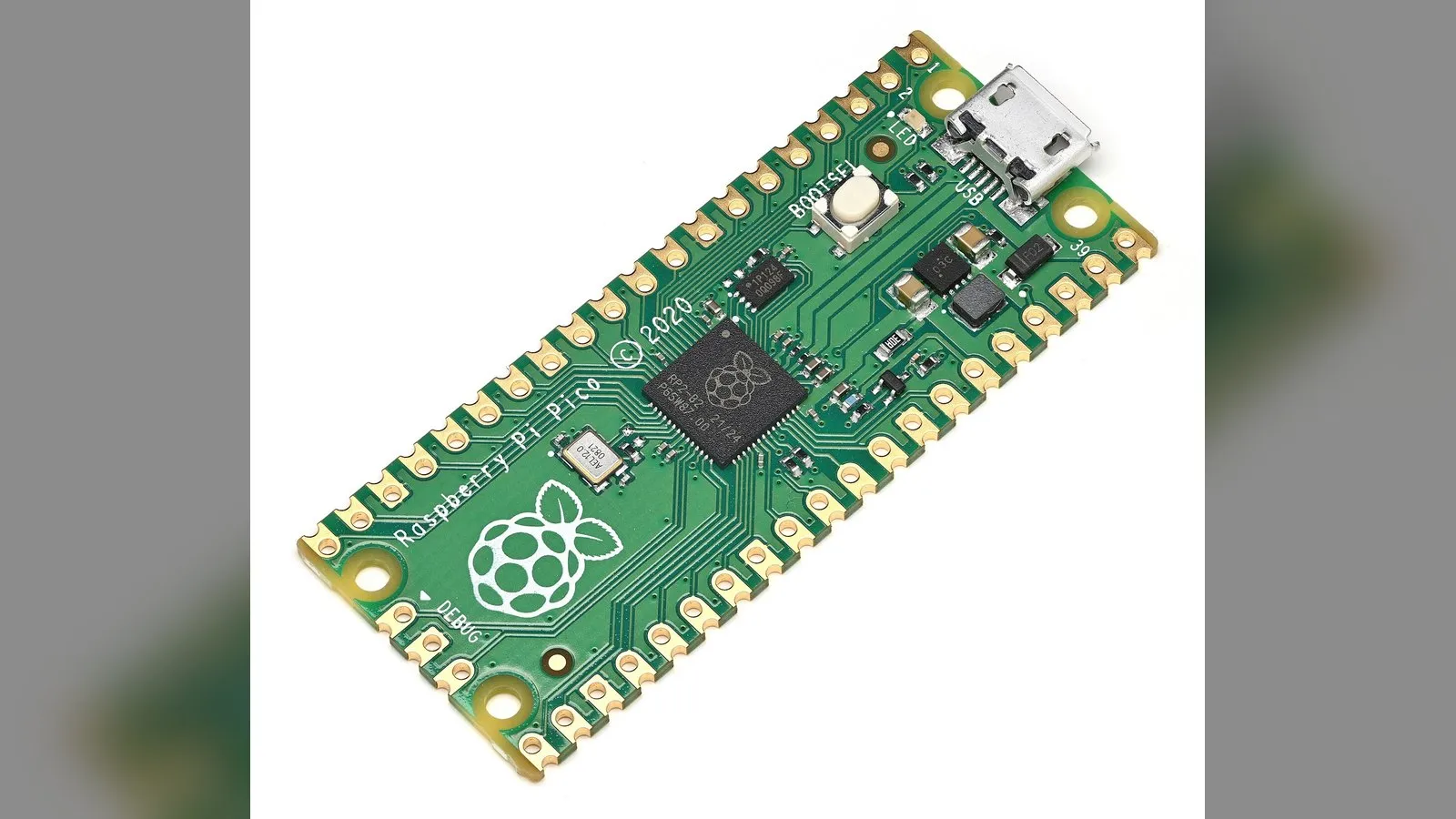
CNX Software reported that the library works on two boards: the ESP32-S3 and the Raspberry Pi Pico 2 W. Per CNX Software, the board connects to a WiFi network and presents itself to the host PC as a USB network adapter. That is the whole trick, and it is a useful one.
Hackaday covered the project under the headline “Quick WIFI Adapter Through USB.” That is the earliest major-outlet coverage we found. We are not claiming it was first, only that it was early.
The Adafruit Blog also picked it up, describing it as “an Arduino library turning a microcontroller into a USB WiFi dongle.” Coverage from both of those outlets is a decent sign that the project works well enough to show off. It is not a benchmark, though.
This is not the first project of its kind. On 2026-07-16, CNX Software covered pico-usb-wifi, firmware that turns the original Raspberry Pi Pico W into a driverless USB WiFi adapter. The czietz/picowifi project also offers USB WiFi firmware for both the Pico W and the Pico 2 W. TinyWifiDongle’s angle is that it is an Arduino library, and that it reaches beyond the Pico family to the ESP32-S3.
What is rumored
Several useful details are circulating, but we have not verified them. Treat everything in this section as unconfirmed until it checks out against the project’s GitHub README.
Protocol and speed. Search summaries of the CNX Software article say the library uses the CDC-NCM USB network class. They also say throughput is capped by full-speed USB at 12 Mbit/s. We have not read the full CNX article, so we cannot confirm that CNX said this.
Real-world throughput. Unverified secondary summaries, including a WindowsForum post and search snippets, put throughput at about 600 KB/s on the ESP32-S3. They put it at about 250 KB/s on the Pico 2 W.
More boards, and fewer boards. Those same secondary summaries say the ESP32-S2 also works. They also say the original ESP32, the C3 and the C6 are unsupported, because their USB controllers cannot carry the network class.
Host drivers. According to the same unverified summaries, Windows 11, Linux and macOS use their built-in CDC-NCM drivers. The same summaries say Windows 10 needs an extra driver.
These claims hang together technically, and none of them is outlandish. Still, a forum post and a search snippet are not a README. We will update this piece once we have checked them at the source.
What we don’t know yet
Whether the ESP32-S3 was tested. This is the biggest open question. One summary says CNX Software noted that the ESP32-S3 was untested at the time of its report. Other coverage lists the ESP32-S3 as tested. We have not resolved that conflict. If you plan to build around an S3, check the README’s current board list first.
Hard performance numbers. None of our confirmed sources gave us throughput figures we could verify. The 600 KB/s and 250 KB/s numbers above may turn out to be accurate. Right now they are secondhand.
Exact setup steps. None of the confirmed reporting spells out the install process, the required board core versions, or how you give the dongle its WiFi credentials. We are not going to guess at an API or a menu path. The project README is the place to get those details.
OS compatibility in practice. The driver claims come from unverified summaries. We do not have confirmed reports on how each operating system handles the adapter out of the box.
What it means
For makers, this is a good use for spare boards. A Pico 2 W or an ESP32-S3 dev board costs far less than most finished gadgets. Turning one into a network adapter gives a headless or WiFi-less machine a path onto your network.
You should keep your expectations calibrated. Even if the rumored figures hold up, this is not a replacement for a proper WiFi adapter. Sub-megabyte-per-second throughput is fine for SSH sessions, package updates on a small machine, telemetry, or getting an old box online long enough to pull a driver. You would not want it for big file transfers or streaming.
The setup flow at a high level follows from what CNX Software confirmed. You pick a supported board, flash it with a sketch built on the library, let it join your WiFi network, and plug it into the host over USB. The host should then see a new USB network adapter. For everything between those steps, follow the README rather than a blog summary, ours included.
If you already run a Pico W, the older pico-usb-wifi firmware and czietz/picowifi are alternatives worth comparing. TinyWifiDongle’s draw is the Arduino workflow and the ESP32-S3 option. That is if the S3 support is as tested as some coverage says.
We will revisit this once we have verified the speed figures, the full board list, and the driver story against the project’s own documentation.
Follow every development in one place on our board release tracker.
Notes on this article
- Fact-checked by Hugo Lindgren before publication.
- Published
Fact-checking
- Every claim is checked by Hugo Lindgren; anything we cannot confirm is corrected, labelled or removed.